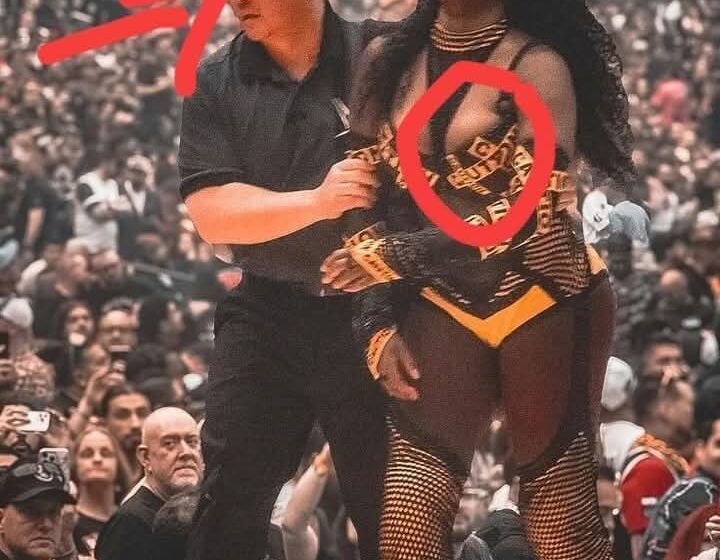
WWE Naomi Bodyguard Touch Her B**bs on Public 😱? The Lifecycle of a Viral Rumor: Deconstructing the Naomi Bodyguard Hoax

In the age of social media, a shocking headline can travel around the world in minutes. One recent example is the viral claim that WWE superstar Naomi was inappropriately touched by her bodyguard during a public appearance. Accompanied by dramatic thumbnails, edited screenshots, and clickbait captions, the story quickly spread across platforms, generating millions of views and countless reactions.
But what really happened?
The truth is that the viral rumor appears to be a classic example of how misinformation can thrive online. While videos and images related to the incident circulated widely, closer examination revealed that many of the claims lacked credible evidence. In several cases, screenshots were cropped, misleading angles were used, and sensational captions exaggerated what viewers were actually seeing.
The rumor gained momentum because it combined three powerful ingredients of viral content: a famous celebrity, a shocking allegation, and an emotional reaction. Naomi, one of WWE’s most recognizable female stars, already has a massive fan following. Any controversy involving her is almost guaranteed to attract attention. As users shared the content without verifying the facts, the story snowballed across social media feeds.
Experts often describe this process as the “viral rumor cycle.” First, an ambiguous image or video appears online. Then content creators add dramatic interpretations to increase engagement. As the content spreads, many viewers assume the claims are true simply because they see them repeatedly. Eventually, the rumor becomes larger than the original event itself.
In Naomi’s case, no verified reports, official WWE statements, or credible news sources confirmed the sensational allegations being circulated. Despite this, many posts continued to present speculation as fact. This highlights a growing challenge in the digital era: distinguishing between genuine news and attention-grabbing misinformation.
The incident serves as an important reminder for fans and internet users alike. Before sharing a shocking story, it’s worth asking a few questions: Is there a reliable source? Has the information been independently verified? Are multiple reputable outlets reporting the same facts? Taking a moment to investigate can prevent false narratives from spreading further.
Social media platforms reward content that generates strong emotional reactions. Unfortunately, that often means outrageous rumors receive more visibility than careful fact-checking. As a result, misleading stories can sometimes reach millions of people before the truth catches up.
The Naomi bodyguard rumor illustrates how easily online audiences can be influenced by sensational headlines and incomplete information. While the story generated significant attention, the available evidence does not support the dramatic claims that fueled its popularity.
In the end, the real story is not about a scandal involving Naomi. It is about the power of viral misinformation and the importance of critical thinking in a digital world where clicks often matter more than facts. As consumers of online content, the responsibility to verify information has never been more important.